Perimenopause & Menopause: Understanding the Emotional Impact
For many women, perimenopause and menopause can feel like an unexpected emotional rollercoaster. While the physical symptoms are often talked about, the psychological impact is just as important—and often overlooked.
If you’ve been feeling more anxious, low, irritable, or simply “not like yourself,” this stage of life could be playing a role.
What Are Perimenopause and Menopause?
Perimenopause is the transition phase leading up to menopause, where hormone levels—particularly oestrogen and progesterone—begin to fluctuate. This phase can last several years.
Menopause is defined as the point when a woman has gone 12 months without a menstrual period.
While these are natural life stages, the changes they bring can significantly affect emotional wellbeing.
Common Emotional & Cognitive Changes
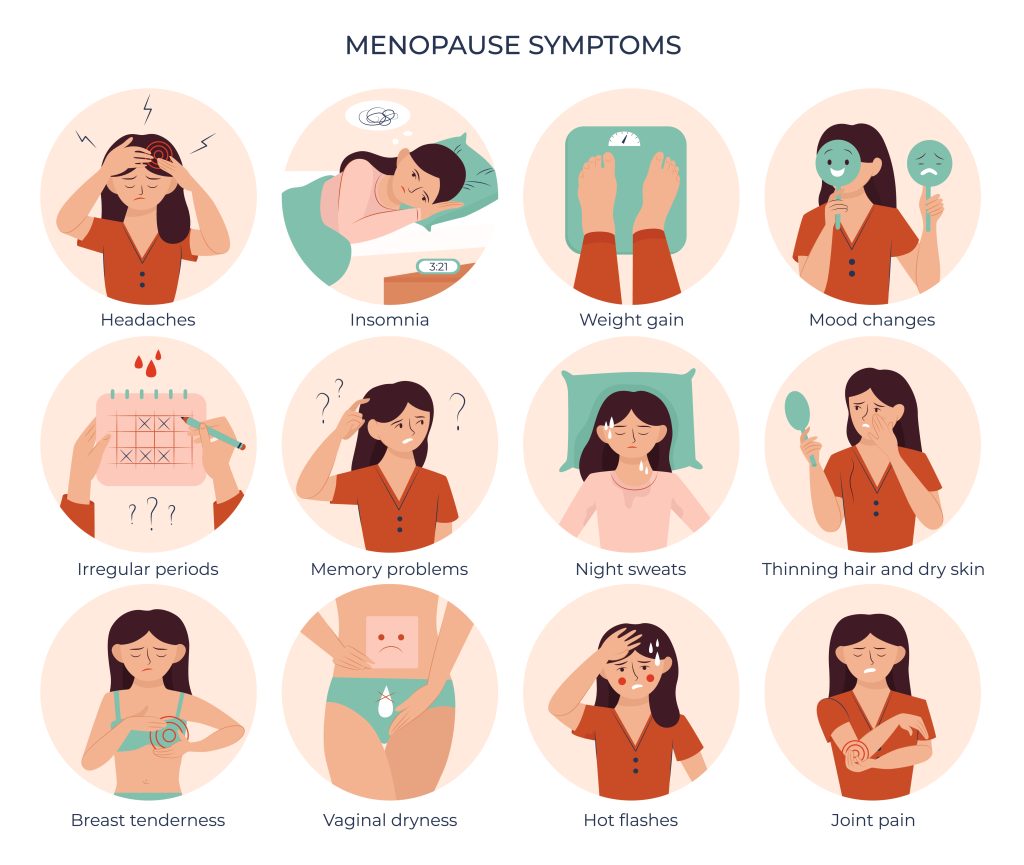
During this time, many women report:
- Increased anxiety or panic symptoms
- Low mood or depression
- Irritability or mood swings
- Difficulty concentrating (“brain fog”)
- Changes in confidence or sense of self
- Sleep disturbances, which can further affect mood
These experiences are not “just in your head”—they are closely linked to hormonal shifts and how they interact with the brain.
Why Does It Affect Mental Health?
Hormones like oestrogen play a key role in regulating neurotransmitters such as serotonin and dopamine—both of which influence mood, motivation, and emotional regulation.
As hormone levels fluctuate, it can make emotional responses feel more intense or harder to manage.
On top of this, many women in this stage of life are also juggling significant responsibilities—careers, parenting, ageing parents—which can amplify stress and emotional load.
What Can Help?
1. Understanding what’s happening
Simply recognising that these changes may be linked to perimenopause can be incredibly validating. You’re not “losing control”—your body is going through a transition.
2. Prioritising sleep
Sleep disruption is common, but supporting good sleep habits can have a powerful effect on mood and resilience.
3. Gentle self-compassion
This is a time to adjust expectations, not push harder. Being kinder to yourself can reduce the internal pressure many women place on themselves.
4. Psychological support
Therapies such as CBT can be highly effective in managing anxiety, mood changes, and the impact of life transitions.
5. Medical support
Speaking with a GP about symptoms can be helpful. For some women, treatments such as hormone therapy may be worth exploring.
When to Seek Support
If you’re feeling persistently low, overwhelmed, anxious, or unlike yourself—and it’s affecting your daily life—it’s important to reach out.
You don’t have to navigate this stage alone.
Final Thoughts
Perimenopause and menopause are natural stages of life, but that doesn’t mean they’re easy. With the right understanding and support, it’s possible to move through this transition with greater clarity, confidence, and emotional balance.
If you’d like support, our team at Psychology Consultants is here to help.
We work with women navigating life transitions and can provide practical, evidence-based strategies to support your mental wellbeing.